
Why Third-Party Testing is Essential for Ashwagandha Supplements
Ashwagandha is a root crop, so heavy metal contamination and withanolide shortfall are real risks. Why third-party testing is not optional here.
Ashwagandha is a root crop, so heavy metal contamination and withanolide shortfall are real risks. Why third-party testing is not optional here.

Withanolide percentage, extract ratio, plant part and third-party testing determine real potency. How to read an ashwagandha label properly.

Organic and non-GMO certify farming practice, not withanolide content or heavy metal safety. What each label covers, and what it leaves out.

Ashwagandha liquid extracts absorb faster and dose more flexibly, capsules dose more accurately. How the two forms compare for midlife use.
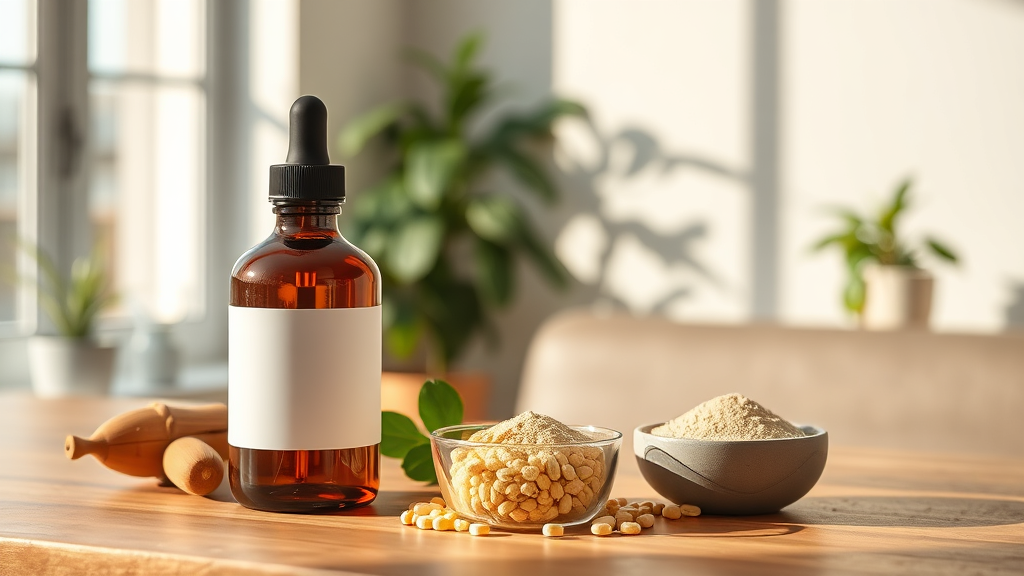
Ashwagandha liquid, capsule and powder differ in dosing accuracy, absorption and taste. How each form performs in practice, and which suits which routine.

KSM-66 and Sensoril differ in plant part, withanolide content and sedation profile. Which extract fits daytime stress versus perimenopausal sleep problems.

Real ashwagandha complaints from user reports and clinical case literature: worsened anxiety, gastrointestinal upset, and the documented liver injury cases.