Ashwagandha and Cholesterol in Midlife: What the Evidence Actually Shows
Ashwagandha trials report modest LDL and triglyceride shifts. What that is worth in midlife, when the lipid profile changes with declining estrogen.

Ashwagandha trials report modest LDL and triglyceride shifts. What that is worth in midlife, when the lipid profile changes with declining estrogen.

A structured first 30 days on ashwagandha: baseline checks, starting dose, titration points, and the specific symptoms that mean stop rather than push on.
Withanolides are fat soluble, but the human absorption studies were all run fasting. What is actually known about food, timing and ashwagandha.
After menopause the hormonal driver is gone but cortisol, sleep and bone loss remain. What changes about taking ashwagandha for women over 60.
Perimenopausal headaches track estrogen withdrawal, sleep debt and stress load together. What the ashwagandha inflammation research suggests, and its limits.
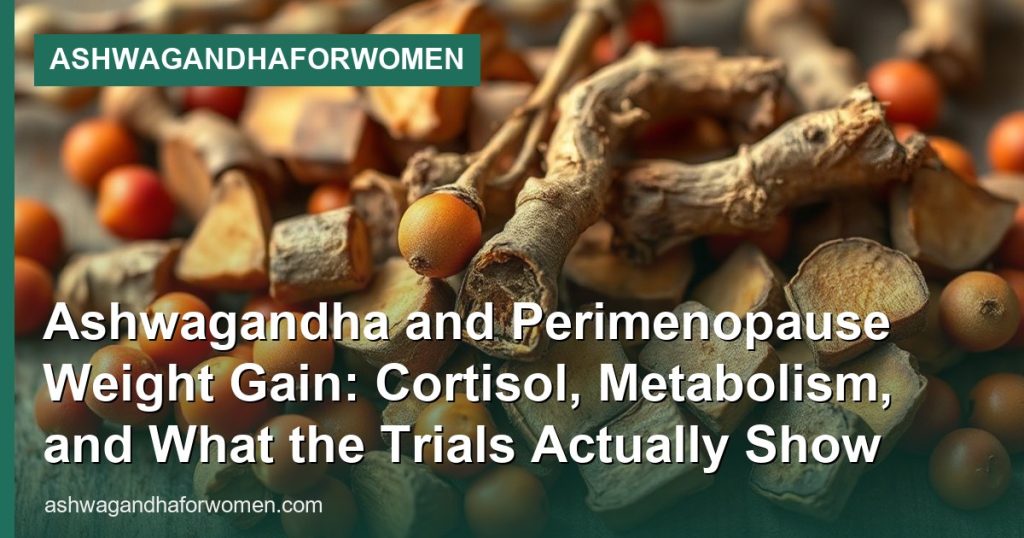
Cortisol shifts fat to the midsection, and perimenopause amplifies it. What the ashwagandha weight trials actually measured, and how large the effect was.

St John’s wort acts on serotonin and interacts with many drugs, ashwagandha acts on cortisol. A direct comparison for mood and stress in midlife.

Ayurveda classifies ashwagandha as a rasayana, and modern trials test cortisol endpoints. Where the traditional and scientific accounts actually meet.

The stress response runs through the HPA axis, and ashwagandha appears to blunt its output. How the adaptogenic mechanism is thought to work.

Withanolide absorption, half-life and clearance shape dosing and timing. What is known about how the body actually processes ashwagandha extract.

Adaptogens act on the HPA axis and stress signalling rather than on a single receptor. How ashwagandha’s proposed mechanisms actually work.
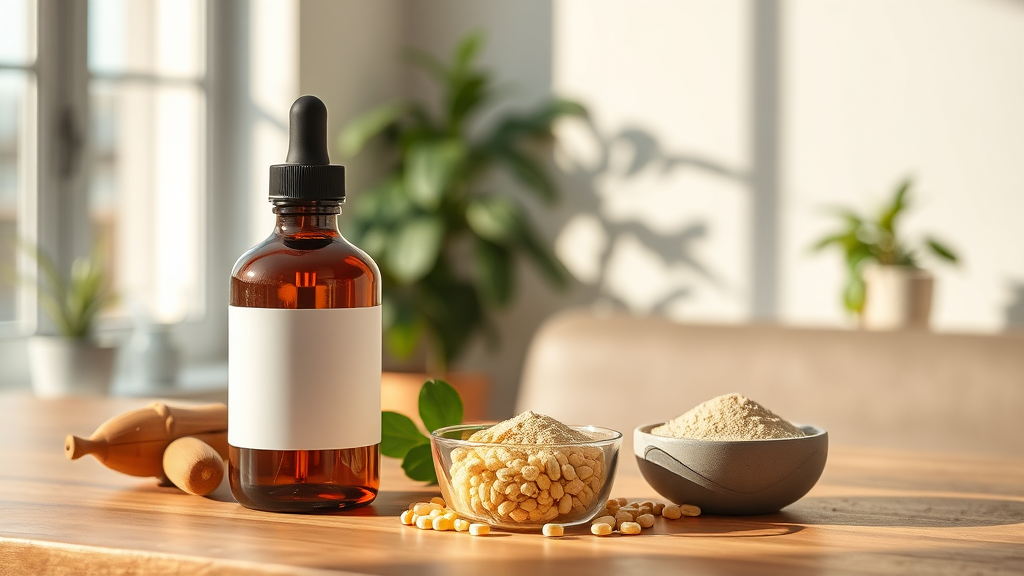
Ashwagandha liquid, capsule and powder differ in dosing accuracy, absorption and taste. How each form performs in practice, and which suits which routine.