Ready to buy? Check current prices on Amazon and compare deals before you decide.
As women navigate midlife and menopause, interest in herbal supplements like ashwagandha has grown. Ashwagandha (Withania somnifera) is an herb that has been studied for its potential effects on stress, anxiety, and sleep [1][2][3]. When considering ashwagandha, you might encounter various certifications, including ‘organic’ and ‘Non-GMO.’
Understanding what these certifications signify can help you make informed choices. This article will explore what ‘organic’ and ‘Non-GMO’ labels mean for ashwagandha quality, focusing on the available evidence regarding their impact on safety and efficacy.
What Does ‘Organic Ashwagandha’ Mean?
The term ‘organic’ refers to agricultural practices that aim to promote ecological balance and conserve biodiversity. For ashwagandha, an ‘organic’ certification typically means the plant was grown without synthetic pesticides, herbicides, or fertilizers. Instead, organic farming often relies on natural methods such as composting, crop rotation, and biological pest control.
While the ‘organic’ label speaks to farming methods, growing conditions do measurably change the plant’s active chemistry. Ashwagandha raised with vermicompost as its fertiliser produced more biomass and higher levels of withanolide A, withanone and withaferin A than conventionally fertilised plants [4]. Two caveats keep that from being an argument for buying certified-organic capsules: those measurements were taken in the leaves, whereas most supplements are made from root, and no study has compared a certified-organic retail product against a conventional one for withanolide content. Certification attests to the farming method, not to a tested potency. However, reducing exposure to synthetic chemicals during cultivation may be a consideration for some consumers.
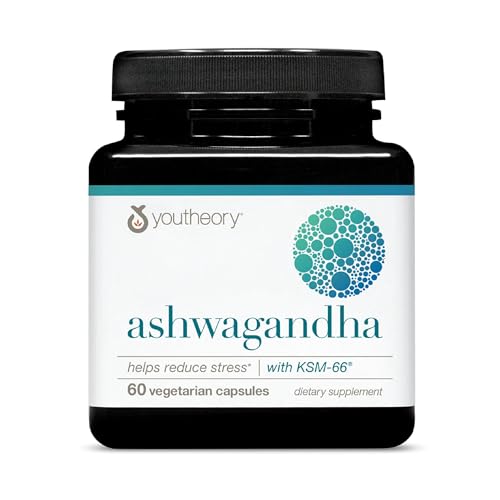


Understanding ‘Non-GMO’ Certification for Ashwagandha
GMO stands for Genetically Modified Organism. A ‘Non-GMO’ certification means that the ashwagandha plant or its derived products have not been genetically engineered. This implies that its genetic material has not been altered in a way that does not occur naturally through traditional breeding or mutation.
Currently, genetically modified ashwagandha is not widely discussed in commercial markets or scientific literature related to supplements. The primary concern for many consumers regarding GMOs often revolves around potential environmental impacts or long-term health effects, though no genetically modified ashwagandha has been documented in the supplement supply chain. Genetic transformation of the plant does exist as a laboratory technique used to study how it makes its own compounds, but that is a research tool rather than a product on a shelf. DNA barcoding is used to identify what species is actually in a herbal supplement [5], and it answers the question most buyers actually have, which is whether the bottle contains the plant on the label.
Are Certifications Related to Ashwagandha’s Potential Benefits?
Ashwagandha has been studied for various potential benefits. Research suggests it may help with managing anxiety and stress [1][2][6] and may support improved sleep quality in healthy adults [3][7]. Some studies also indicate it may modulate stress hormones [2].
However, no published trial has compared certified-organic or Non-GMO ashwagandha against conventional ashwagandha for any of these outcomes. The studies cited for ashwagandha’s potential benefits typically use standardized extracts without specifying whether the source material was organically grown or Non-GMO. Therefore, while these certifications address cultivation practices and genetic modification, they do not currently have a direct, evidence-based connection to the herb’s potential to support well-being.
Safety Considerations Beyond Certifications
Regardless of ‘organic’ or ‘Non-GMO’ labels, broader quality and safety aspects are crucial for any herbal supplement. Contaminants such as heavy metals and mycotoxins (toxins produced by fungi) can be a concern in herbal products [8][9]. For example, soil fungi have been studied for their role in remediating arsenic pollution [10], highlighting the importance of soil quality. However, the published contamination surveys do not report that organic or Non-GMO certification guarantees lower levels of these contaminants in ashwagandha.
Consumers may consider looking for products from reputable manufacturers that conduct third-party testing for purity and potency. This testing can help verify that the product contains the advertised amount of active compounds and is free from unwanted contaminants, offering a layer of assurance beyond agricultural certifications alone. DNA barcoding can also be used to confirm the identity of the plant material in supplements, helping to prevent adulteration [5].
References
- Does Ashwagandha supplementation have a beneficial effect on the management of anxiety and stress? A systematic review and meta-analysis of randomized controlled trials. Phytotherapy research : PTR, 2022
- A standardized Ashwagandha root extract alleviates stress, anxiety, and improves quality of life in healthy adults by modulating stress hormones: Results from a randomized, double-blind, placebo-controlled study. Medicine, 2023
- Effect of Ashwagandha (Withania somnifera) extract on sleep: A systematic review and meta-analysis. PloS one, 2021
- Organic cultivation of Ashwagandha with improved biomass and high content of active Withanolides: Use of Vermicompost. PLoS One, 2018
- DNA barcoding of herbal supplements on the US commercial market associated with the purported treatment of COVID-19. Phytochemical analysis : PCA, 2024
- A prospective, randomized double-blind, placebo-controlled study of safety and efficacy of a high-concentration full-spectrum extract of ashwagandha root in reducing stress and anxiety in adults. Indian journal of psychological medicine, 2012
- A randomized, double blind, placebo controlled study to evaluate the effects of ashwagandha (Withania somnifera) extract on sleep quality in healthy adults. Sleep medicine, 2020
- Heavy Metal Contamination in Adaptogenic Herbal Dietary Supplements: Experimental, Assessment and Regulatory Safety Perspectives. Biology, 2025
- Multi-mycotoxin analysis method using liquid chromatography with tandem mass spectrometry and fluorescence detection in Indian medicinal herbs: Development and validation. Journal of chromatography. A, 2022
- Soil fungi for mycoremediation of arsenic pollution in agriculture soils. Journal of applied microbiology, 2015
These statements have not been evaluated by the Food and Drug Administration. This information is not intended to diagnose, treat, cure, or prevent any disease. Content is for informational purposes only and is not medical advice; consult a qualified healthcare provider before starting any supplement. As an Amazon Associate we earn from qualifying purchases.
